Ed Rollins' $1 Million Net Worth: Unpacking the Fortune of a Political Architect
Ed Rollins stands as a venerable figure in American political consulting, his name synonymous with strategic acumen and electoral success, most notably in the Reagan era. As a Republican campaign consultant and seasoned political advisor, Rollins has navigated the complex corridors of power for decades, shaping public discourse and guiding high-stakes campaigns. Yet, for all his influence and storied career, his reported Ed Rollins net worth of $1 million often sparks curiosity and conversation among those who follow political finance.
This figure, while substantial for many, might appear modest to some considering his pivotal role in one of the most decisive presidential victories in modern history. Born in Boston, Massachusetts, in March 1943, Rollins' journey from a young man serving in the U.S. Army and working as an electrician at the Mare Island Navy Yard building submarines, to a national political strategist, is a testament to ambition and an unwavering dedication to conservative principles. His financial standing reflects a career often driven by ideological commitment and tactical brilliance rather than the direct accumulation of vast personal wealth through, for instance, corporate ventures or extensive private investments typically associated with multi-millionaire status.
The $1 million net worth attributed to Ed Rollins encapsulates his earnings from various campaign consulting roles, media appearances, and other professional engagements throughout his expansive career. Unlike many figures in the political sphere who leverage their influence into lucrative lobbying careers or private sector executive positions, Rollins largely remained in the realm of direct political strategy and commentary. This article delves into the career trajectory that defined this respected political mind, exploring the key campaigns, the diverse roles, and the financial landscape that shaped his unique professional journey.
The Architect of Victory: Reagan's 1984 Landslide
No discussion of Ed Rollins' legacy, and indeed his net worth, would be complete without highlighting his monumental achievement as the National Campaign Director for the Reagan-Bush ticket in the 1984 presidential election. This campaign is etched into the annals of American political history as one of the most overwhelming electoral victories ever recorded. Under Rollins' strategic guidance, President Ronald Reagan secured a stunning re-election, winning 49 out of 50 Electoral College states, a feat that showcased an unparalleled mastery of campaign management and political messaging.
Rollins' role in this landslide was not merely supervisory; it was foundational. He was the operational genius behind the scenes, coordinating an intricate national effort that harmonized diverse campaign elements, from grassroots organizing to media outreach. His ability to distill complex political messages into accessible, resonant themes was crucial. The 1984 campaign cemented Rollins' reputation as a top-tier political strategist, a master of both grand vision and meticulous execution. Such high-stakes roles undoubtedly command significant fees, contributing to his overall financial portfolio. However, the nature of campaign consulting fees can vary wildly, often paid out over specific contract periods, rather than resulting in direct equity or long-term wealth accumulation typical of business ownership.
The success of the 1984 campaign wasn't just about winning; it was about demonstrating a reproducible model for conservative electoral success. Rollins' insights into voter behavior, media manipulation (in the best strategic sense), and ground game organization became a benchmark for future campaigns. This period represents the pinnacle of his direct campaign involvement and serves as a crucial context when evaluating his career earnings and enduring professional impact.
A Career Spanning Decades: From Submarines to Commentator
Ed Rollins' professional life is a fascinating tapestry woven with diverse experiences that predate and extend far beyond his iconic role in the Reagan campaign. His early years provide a stark contrast to the polished world of presidential politics, grounding his subsequent career in a unique blend of practical experience and strategic thinking.
Before his foray into national politics, Rollins served in the U.S. Army, an experience that undoubtedly instilled discipline and a results-oriented mindset. Following his military service, he transitioned into a more hands-on, blue-collar profession, working as an electrician at the Mare Island Navy Yard, where he contributed to the construction of submarines. This background, far removed from the Ivy League-dominated political establishment, perhaps gave Rollins a unique perspective on the concerns of working-class Americans and an appreciation for meticulous, technical work – skills surprisingly transferable to the complex machinery of a national political campaign.
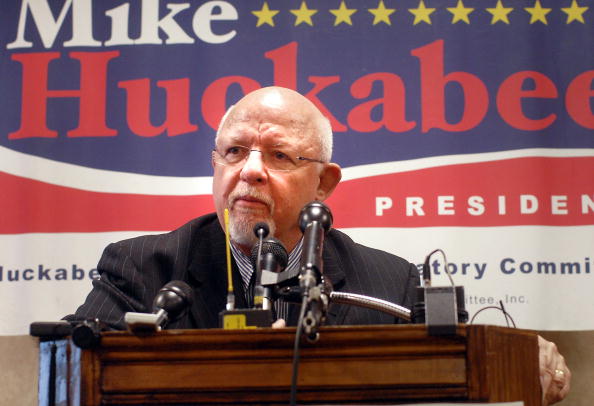
His political career truly began to flourish in the Republican party, leading him to various high-profile roles. Years after the Reagan triumph, Rollins continued to be a sought-after advisor. He served as the national campaign chairman for Mike Huckabee's presidential bid in 2008, showcasing his continued relevance and strategic prowess in a new political landscape. Later, he signed on to advise Michele Bachmann during her 2012 presidential campaign, though he ultimately stepped down due to health reasons after suffering a stroke. This personal challenge highlights the intense pressures and demanding nature of political life, where even seasoned professionals can face unforeseen obstacles.
In more recent years, Rollins has transitioned into a prominent role as a political commentator. He has become a familiar face and voice on major news networks, providing analysis and insight for Fox News and having previously contributed to CNN. This transition from strategist to analyst represents a common trajectory for many political veterans, allowing them to leverage their extensive knowledge and experience in a different capacity. Media contracts, speaking engagements, and written contributions (articles, potentially books) become significant components of their income during this phase, further contributing to their overall net worth.
What Shapes a Political Strategist's Fortune? Insights and Tips
Understanding the Ed Rollins net worth provides an interesting lens through which to examine the financial realities of a career in political strategy. Unlike entrepreneurs or corporate executives, who often accumulate wealth through business ownership, equity, or high-level compensation packages, political strategists primarily earn income through fees for their services. Here are some factors that shape their fortunes and insights into the profession:
- Campaign Consulting Fees: The primary income stream for strategists like Rollins. These fees can range from modest retainers for local campaigns to multi-million dollar contracts for presidential races. However, these are often project-based and do not typically involve long-term equity or profit-sharing.
- Media Contracts & Commentary: As strategists gain recognition, they are often sought after by news outlets. Contracts with networks like Fox News or CNN, along with appearances and expert commentary, provide a steady and often lucrative income stream. This is where Rollins has added significantly to his post-campaign earnings.
- Speaking Engagements: High-profile strategists are often invited to speak at conferences, political gatherings, and private events. Honorariums for these engagements can be substantial, adding another layer to their income.
- Lobbying & Advocacy: While Rollins largely stayed in strategy and commentary, many political consultants transition into lobbying, representing corporate or special interests. This field can be exceptionally lucrative, but it is distinct from direct campaign management.
- Book Deals & Publications: Strategists with compelling stories or unique insights often publish memoirs or analytical works, which can generate significant advances and royalties.
- Personal Investments: Like any professional, strategists manage their earnings through personal investments in stocks, real estate, or other ventures, which can grow their net worth over time.
Tips for Aspiring Political Strategists:
- Build a Strong Network: Relationships are paramount in politics.
- Develop Specialized Skills: Whether it's data analytics, digital campaigning, or traditional ground game, become an expert in a niche.
- Master Communication: The ability to craft and deliver compelling messages is invaluable.
- Understand the Evolving Landscape: Politics is constantly changing; stay adaptable and informed about new technologies and voter trends.
- Be Prepared for High Pressure: Campaign work is demanding, requiring long hours and resilience.
Ed Rollins' $1 million net worth reflects a career largely dedicated to the direct influence of political outcomes and public discourse rather than the pursuit of maximal financial gain through other avenues. His fortune represents the value placed on strategic expertise and the enduring appeal of political commentary.
In conclusion, Ed Rollins' journey from a U.S. Army serviceman and submarine electrician to a legendary Republican campaign architect and respected media commentator is a testament to a career defined by dedication and strategic brilliance. His $1 million net worth, while a personal financial snapshot, tells a broader story of a man whose impact on American politics far outweighs a simple monetary figure. Rollins' legacy is cemented not just in his earnings, but in the indelible mark he left on some of the most pivotal campaigns in recent history, particularly the iconic Reagan-Bush 1984 landslide, and his continuing influence as a sharp political observer. He remains a powerful voice, offering insights from a career spent at the heart of the American political machine.
